
Why You Should Limit Sparkling Water Consumption
Introduction
Sparkling water has become one of the most popular beverages in the world. Many people choose it as a healthier alternative to sugary soft drinks, fruit juices, or alcoholic beverages. Because it contains no sugar and no calories, sparkling water is often marketed as a guilt-free drink that fits perfectly into a healthy lifestyle.
However, despite its clean image, sparkling water is not completely harmless. While it may be better than soda or sweetened drinks, it still has properties that can negatively affect dental health when consumed frequently. Understanding how sparkling water interacts with your teeth and oral environment is essential for making informed choices.
This article explains in detail why sparkling water should be consumed in moderation, how its acidity affects tooth enamel, and what you can do to reduce potential damage—without turning this into medical advice or treatment guidance.
What Is Sparkling Water?
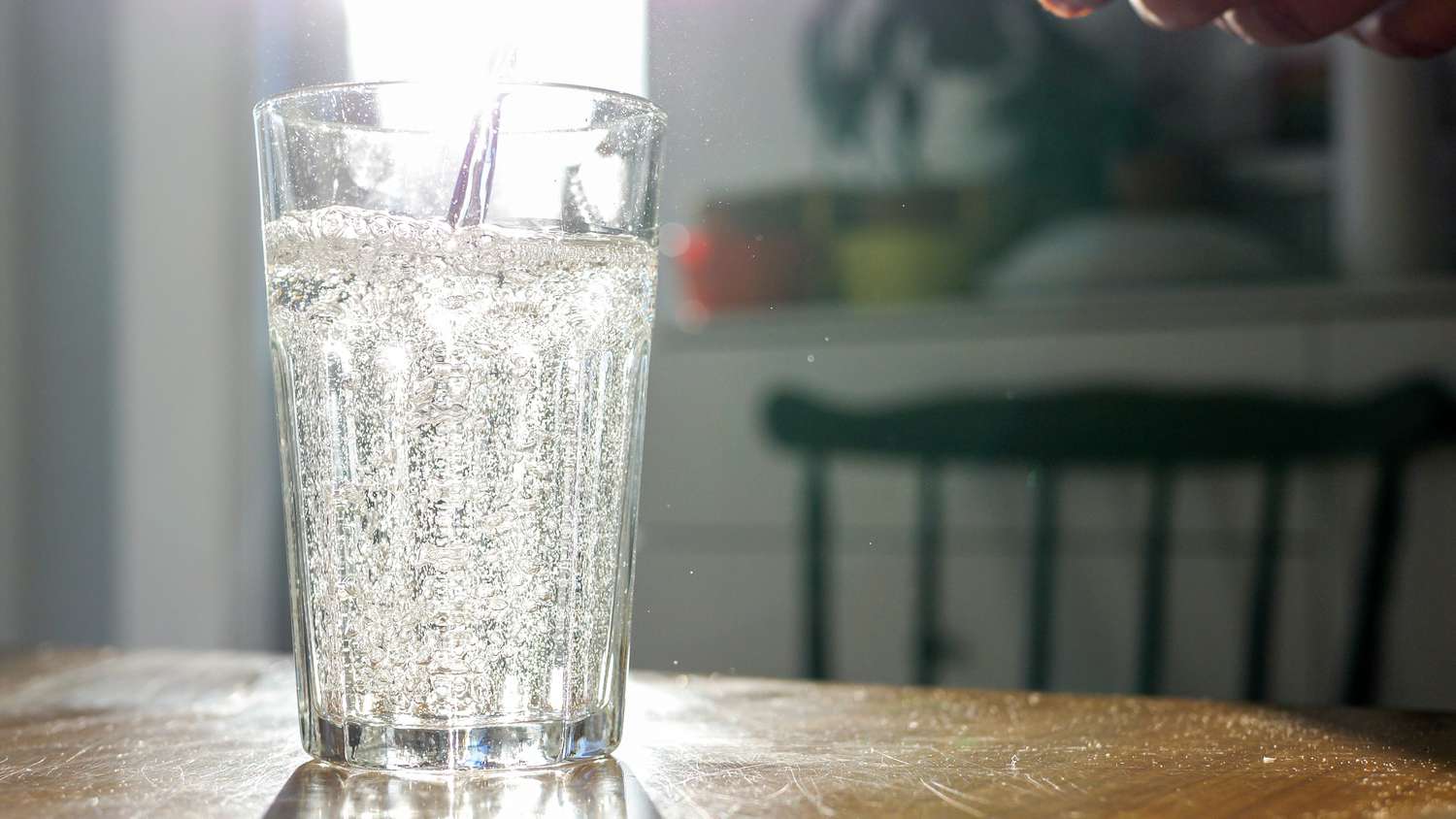
Sparkling water is water that has been infused with carbon dioxide gas under pressure. When the gas dissolves in water, it forms carbonic acid. This process gives sparkling water its characteristic bubbles and sharp, refreshing taste.
Unlike sodas, sparkling water usually does not contain sugar, artificial sweeteners, caffeine, or coloring agents. This simplicity is one of the main reasons people consider it a healthy choice. Still, the presence of carbonic acid changes the chemical balance of the drink.
The Role of Carbonic Acid
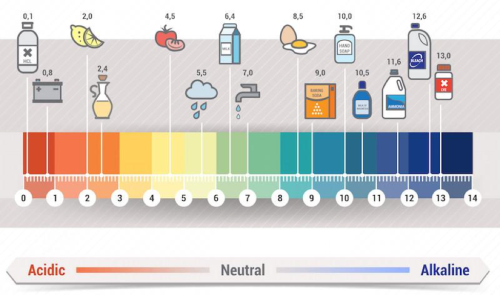
Carbonic acid is a weak acid, but “weak” does not mean harmless. Any acidic substance can lower the pH level in the mouth. Tooth enamel is strong, but it is not invincible. When exposed to acidic environments repeatedly, enamel can slowly erode.
The pH scale measures how acidic or alkaline a substance is. Pure water has a neutral pH of 7. Sparkling water usually has a pH between 3 and 4.5, making it significantly more acidic than still water.
How Acidity Affects Tooth Enamel
Tooth enamel is the hardest substance in the human body, but it does not regenerate. Once enamel wears away, it cannot grow back. Acidic drinks soften enamel temporarily, making it more vulnerable to wear.
After consuming an acidic beverage, it takes approximately 30 to 45 minutes for the mouth’s pH to return to normal. During this time, enamel is more susceptible to damage from chewing, brushing, or additional acidic exposure.
If sparkling water is consumed frequently throughout the day, the teeth may never fully recover between exposures. Over time, this can lead to noticeable enamel erosion.
Daily Consumption and Long-Term Risk
Drinking sparkling water occasionally is unlikely to cause serious problems. The concern arises when it becomes a daily habit, especially when consumed multiple times a day.
People who sip sparkling water continuously—at work, during workouts, or throughout the evening—may unknowingly expose their teeth to constant acid attacks. Even though the acid is mild, repetition increases cumulative damage.
Over months or years, this may contribute to:
-
Increased tooth sensitivity
-
Yellowing teeth as enamel thins
-
Higher risk of cavities
-
Greater susceptibility to dental wear
Sparkling Water vs Sugary Carbonated Drinks
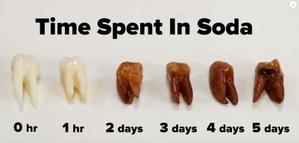
It is important to clarify that sparkling water is far less damaging than sugary sodas. Sugary drinks combine acid with sugar, which feeds harmful oral bacteria. These bacteria produce additional acids that intensify enamel damage.
Sparkling water lacks sugar, so it does not promote bacterial growth in the same way. Nevertheless, acid alone is enough to weaken enamel if exposure is frequent.
In short, sparkling water is a better choice than soda—but not as safe as still water.🔗:https://www.ada.org/resources/ada-library/oral-health-topics/tooth-erosion
The Impact on Oral pH Balance
Saliva plays a critical role in protecting teeth. It neutralizes acids, washes away food particles, and provides minerals that help strengthen enamel.
Frequent intake of acidic beverages overwhelms saliva’s protective function. When the oral environment remains acidic for extended periods, enamel demineralization can exceed remineralization, leading to gradual tooth damage.
Can Sparkling Water Affect Gums?
While enamel erosion is the primary concern, acidic drinks may also irritate gums in sensitive individuals. Acidic environments can contribute to discomfort, particularly if gum tissue is already inflamed.
Although sparkling water is not a direct cause of gum disease, excessive consumption may worsen existing sensitivity or irritation.
Flavored Sparkling Water: A Bigger Risk
Many flavored sparkling waters contain added natural flavors or citric acid. These additions increase acidity even further.
Citrus-flavored sparkling waters, in particular, can be more damaging to enamel than plain sparkling water. The combination of carbonic acid and citric acid lowers pH levels significantly.
People often assume flavored sparkling water is as safe as plain water, but this is not always the case.
How to Reduce Dental Damage
Drink Sparkling Water With Meals
Consuming sparkling water alongside food helps neutralize acidity. Food stimulates saliva production, which buffers acids more effectively.
Use a Straw
Drinking through a straw reduces direct contact between the liquid and your teeth. This simple habit can significantly limit enamel exposure.
Avoid Brushing Immediately After
Brushing teeth right after drinking sparkling water can cause more harm. Enamel is softened by acid, and brushing during this period can accelerate erosion. Waiting at least 30 minutes is recommended.
Rinse With Still Water
Rinsing your mouth with plain water after drinking sparkling water helps wash away acids and restore a more neutral pH.
Sparkling Water and Digestive Comfort
Some people choose sparkling water for digestion or fullness. While it may help some individuals feel satisfied, excessive carbonation can cause bloating or discomfort for others.
This effect varies from person to person and is not directly harmful, but it is another reason moderation is encouraged.
Psychological Perception of “Healthy”
One reason sparkling water is consumed so frequently is perception. Marketing often presents it as a lifestyle beverage associated with fitness and wellness.
This image can lead people to underestimate potential downsides. Recognizing that “healthier” does not mean “risk-free” is an important step toward balanced consumption.
What Experts Generally Agree On
Public health and dental organizations consistently emphasize moderation. While they do not discourage occasional sparkling water consumption, they recommend still water as the primary hydration source.
General oral health guidance can be found from trusted organizations such as:
-
World Health Organization (oral health overview)
-
American Dental Association (dental erosion awareness)
Is Sparkling Water Safe for Children?
Children’s enamel is thinner than adult enamel, making it more vulnerable to acid erosion. For this reason, frequent sparkling water consumption is not ideal for children.
Still water remains the best hydration choice for young individuals.
Hydration Without Risk
Hydration is essential, but it does not require carbonation. Plain water provides hydration without acidity, sugar, or additives.
https://www.who.int/health-topics/oral-health
For those who enjoy bubbles, occasional sparkling water can still be part of a balanced routine—just not the main source of daily hydration.
Long-Term Perspective
Dental damage develops slowly and often goes unnoticed until symptoms appear. By the time sensitivity or visible enamel wear occurs, the damage is already permanent.
Making small adjustments now can prevent long-term consequences later.
Conclusion
Sparkling water is not inherently dangerous, but it is not completely harmless either. Its acidity can gradually weaken tooth enamel, especially when consumed frequently throughout the day.
Compared to sugary sodas, sparkling water is a better choice. However, compared to still water, it poses a higher risk to dental health. Moderation, awareness, and simple preventive habits can significantly reduce potential harm.
Choosing still water most of the time—and sparkling water occasionally—is the safest approach for protecting your teeth while still enjoying variety in your daily drinks.🔗https://healthdailyy.com/