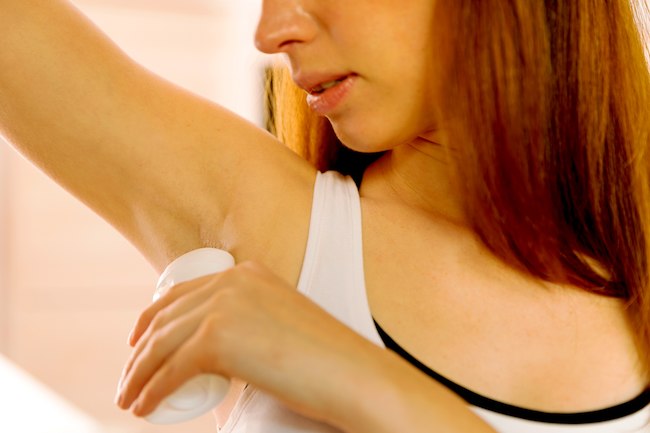
Body odor is a common concern, but sometimes the problem isn’t the deodorant itself. Experts say that certain everyday mistakes when applying deodorant can reduce its effectiveness and even contribute to unpleasant odors.
The Most Common Mistakes People Make When Using Deodorant
Body odor is one of the most common hygiene concerns people experience. Many individuals rely on deodorants or antiperspirants to stay fresh throughout the day and avoid unpleasant smells. However, sometimes the problem is not the product itself, but rather how it is being used.
Experts suggest that several common habits may reduce the effectiveness of deodorants and even lead to stronger body odor. Understanding these mistakes can help improve personal hygiene routines and make deodorant products work more effectively.
Why We Sweat
Before understanding deodorant mistakes, it is important to know why sweating occurs in the first place. Sweating is a natural and essential bodily function. It helps regulate body temperature and plays a role in removing certain waste products from the body.
Sweat itself is usually odorless. The unpleasant smell that people associate with body odor is actually caused by bacteria on the skin that break down sweat and produce odor-producing compounds.
Because of this, maintaining proper hygiene and using deodorant correctly are both important for preventing body odor.
Daily Hygiene and Its Role
Regular bathing helps remove bacteria and sweat from the skin’s surface. This is why daily showers are often recommended as part of a healthy hygiene routine.
However, some studies suggest that using harsh soaps or excessive amounts of antiperspirants may disrupt the natural balance of bacteria on the skin. When this balance changes, certain odor-causing bacteria may become more dominant.
In many cases, the problem arises not from the deodorant itself but from common mistakes people make when applying or using it.
1. Applying Too Little Deodorant
One of the most common mistakes is applying deodorant too quickly or using only a very small amount.
Many people swipe deodorant once across the underarm area and assume it is enough. However, this may not provide full coverage of the sweat glands located in the armpits.
For deodorant to work effectively, it should cover the entire underarm area where sweat glands are concentrated. Applying an adequate amount ensures that the product can neutralize odor-causing bacteria and reduce moisture more effectively.
Taking a few extra seconds to apply deodorant properly can make a noticeable difference in how well it works throughout the day.
2. Applying Deodorant at the Wrong Time
Most people apply deodorant in the morning after showering. While this habit is not necessarily wrong, experts say that it may not always be the most effective time for certain products.
Antiperspirants, in particular, work best when applied at night before going to bed. During the night, sweat production naturally decreases, allowing the product to better penetrate the sweat glands and form protective plugs that reduce sweating.
By morning, the product has already begun working, which can help provide longer-lasting protection throughout the day.
Deodorants that focus mainly on fragrance rather than sweat reduction can still be applied in the morning if desired.
3. Using the Same Product for Too Long
Many people have a favorite deodorant that they use for years without changing it. While loyalty to a product is common, the body can sometimes adapt to certain ingredients over time.
If a deodorant that once worked well suddenly becomes less effective, it may be because the body has developed a tolerance to it.
When this happens, bacteria may multiply more easily in the underarm area, leading to stronger odors.
Switching to a different deodorant formula occasionally can help maintain effectiveness and prevent this issue.
4. Not Exfoliating the Underarm Area
Another mistake that people rarely consider is neglecting exfoliation of the underarm skin.
Dead skin cells, sweat residue, and bacteria can accumulate in the pores over time. If these substances build up, they may trap odor-causing bacteria and reduce the effectiveness of deodorant.
Additionally, shaving or waxing the underarms can sometimes lead to ingrown hairs, which may clog pores and contribute to unpleasant odors.
Gentle exfoliation of the underarm area once or twice a week can help remove dead skin cells, unclog pores, and allow deodorant products to work more effectively.
Maintaining Healthy Underarm Hygiene
Improving deodorant effectiveness often involves adopting a few simple habits:
Shower regularly to remove sweat and bacteria
Dry the underarm area completely before applying deodorant
Apply enough product to cover the entire underarm
Consider applying antiperspirants at night
Occasionally switch deodorant products if effectiveness decreases
Exfoliate the skin gently to prevent clogged pores
These small adjustments can help maintain fresher underarms and reduce unpleasant body odor.
Body odor is a natural part of human physiology, but it can often be managed effectively with proper hygiene and the correct use of deodorant products.
Mistakes such as applying too little deodorant, using it at the wrong time, relying on the same product for too long, or neglecting skin care can reduce its effectiveness.
By understanding how deodorants work and making small improvements to daily routines, people can ensure better odor control and maintain healthier underarm skin.