The Scientific Foundation of a Strong Body and Mind
Understanding Digestive Wellness
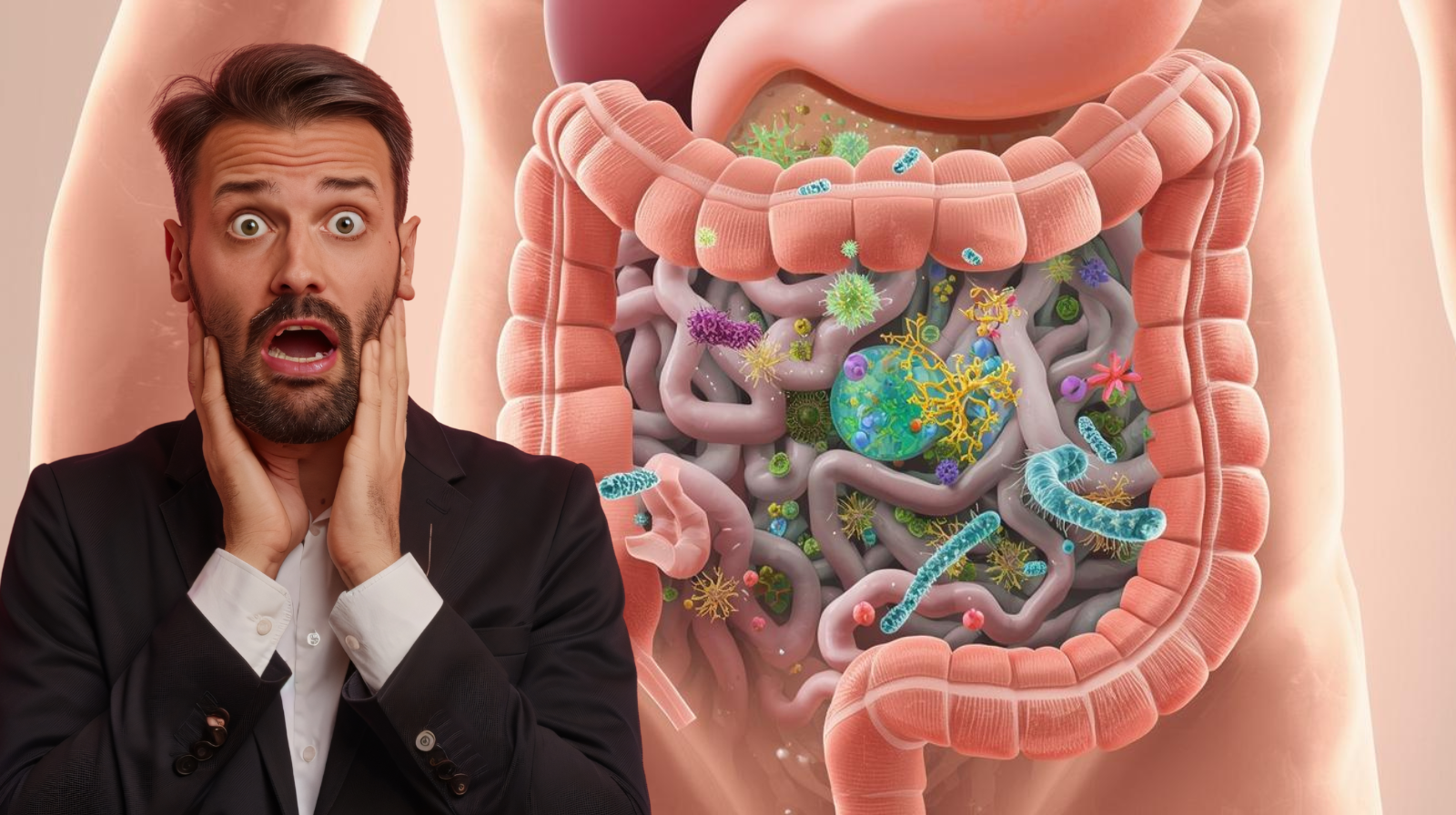
Digestive wellness refers to the balance and optimal functioning of the gastrointestinal system, particularly the vast community of microorganisms living within it. These microorganisms, commonly known as the gut microbiome, are essential for breaking down food, absorbing nutrients, and defending the body against harmful pathogens.
World Health Organization – Digestive Health
👉https://www.who.int/health-topics/digestive-health
When beneficial bacteria dominate, the digestive system maintains stability and supports overall well-being. However, when this balance is disrupted, digestion slows, inflammation increases, and vulnerability to illness rises. Scientific research clearly shows that digestive balance influences immunity, metabolism, mental performance, and long-term disease risk. Supporting digestive wellness is therefore a cornerstone of lifelong health.
The Role of the Gut Microbiome
The gut microbiome is a highly complex ecosystem composed of bacteria, viruses, fungi, and other microorganisms that coexist within the digestive tract. Each individual hosts a unique microbial profile shaped by genetics, nutrition, environment, and daily habits. Microbial diversity is critical because it allows the digestive system to adapt to stress, illness, and dietary changes. Beneficial microbes assist in vitamin production, hormone regulation, and the creation of anti-inflammatory compounds. When diversity declines, harmful organisms may dominate, leading to microbial imbalance. This condition is closely linked to digestive disorders, immune dysfunction, and chronic inflammation.
Digestive Efficiency and Nutrient Absorption
One of the primary functions of a healthy digestive system is efficient digestion and nutrient absorption. A balanced microbiome helps break down carbohydrates, proteins, and fats while ensuring the absorption of essential vitamins and minerals. When digestive balance is compromised, symptoms such as bloating, gas, constipation, diarrhea, and food sensitivities often appear. These signs usually point to inflammation or microbial disruption. Enzymes produced by beneficial bacteria play a vital role in nutrient uptake, while the intestinal lining acts as a protective filter. Maintaining digestive efficiency supports energy levels, comfort, and overall physical function.
Digestive Health and Immune Defense
The gastrointestinal tract is the body’s largest immune center, containing more than seventy percent of immune cells. Microorganisms in the digestive system interact constantly with immune cells, guiding appropriate immune responses. A well-balanced gut environment helps prevent excessive inflammation while still defending against harmful invaders. When microbial balance deteriorates, immune function can become either suppressed or overactive. This imbalance may result in frequent infections, allergies, or autoimmune reactions. Inflammation that begins in the digestive tract often spreads throughout the body, affecting joints, skin, and vital organs.
The Gut–Brain Relationshi
The digestive system and the brain are closely connected through a communication network known as the gut–brain axis. This system allows constant signaling between the intestines and the central nervous system. Beneficial bacteria produce neurotransmitters such as serotonin and dopamine, which play key roles in mood regulation, motivation, and stress control. Disruptions in microbial balance have been linked to anxiety, depression, and cognitive difficulties. Chronic stress further alters intestinal bacteria, creating a feedback loop that negatively impacts both mental and digestive well-being. Improving digestive balance has been shown to support emotional stability and mental clarity

Nutrition and Microbial Balance
Diet is the most influential factor shaping the intestinal environment. Foods rich in dietary fiber—such as vegetables, fruits, legumes, and whole grains—nourish beneficial bacteria and increase microbial diversity. Fermented foods introduce live cultures that strengthen the microbiome. In contrast, diets high in refined sugars, processed carbohydrates, and artificial additives promote the growth of harmful bacteria. Preservatives and emulsifiers may damage the intestinal lining over time. Consistently consuming whole, nutrient-dense foods supports microbial balance, reduces inflammation, and enhances digestive comfort.
Probiotics and Prebiotic Support
Probiotics are beneficial microorganisms that support digestive balance when consumed regularly. They are naturally found in fermented foods such as yogurt, kefir, kimchi, and sauerkraut. Prebiotics, by contrast, are specific fibers that serve as fuel for these beneficial microbes. Foods like garlic, onions, bananas, and oats are rich in prebiotic compounds. Together, probiotics and prebiotics help restore microbial harmony. While supplements may be useful in certain cases, obtaining these compounds from whole foods often provides more sustainable benefits for digestive and immune function.
Lifestyle Influences on Digestive Balance
Digestive health is shaped by more than diet alone. Sleep quality, physical activity, stress exposure, and medication use all influence the gut microbiome. Inadequate sleep reduces microbial diversity, while regular exercise encourages beneficial bacterial growth. Chronic psychological stress increases intestinal permeability and inflammation. Excessive use of antibiotics and some medications can disrupt microbial balance for extended periods. A lifestyle that prioritizes rest, movement, and stress regulation plays a crucial role in maintaining a resilient digestive system.
Digestive Health and Chronic Illness
A growing body of research links microbial imbalance to chronic conditions such as obesity, type 2 diabetes, heart disease, and autoimmune disorders. Persistent inflammation originating in the digestive tract is a shared underlying mechanism. Disrupted microbiota can impair insulin sensitivity, lipid metabolism, and immune regulation. Supporting intestinal balance has been shown to improve disease outcomes and lower long-term health risks. Rather than addressing symptoms alone, improving digestive function targets foundational processes involved in chronic disease development.
Mayo Clinic – Gut Health and the Microbiome
👉 https://www.mayoclinic.org/digestive-health/gut-microbiome
Sustaining digestive balance is a long-term process that requires consistency rather than quick solutions. Regular consumption of diverse plant-based foods, reduced intake of processed products, sufficient sleep, and ongoing physical activity all contribute to microbial resilience. Paying attention to digestive signals and addressing discomfort early can prevent more serious complications. Although the intestinal ecosystem changes throughout life, meaningful improvements can be made at any age. Prioritizing digestive wellness supports immunity, mental performance, and overall quality of life.
- https://healthdailyy.com/3-signs-you-need-to-cut-back-on-sugar-now/
- https://healthdailyy.com/why-you-should-limit-sparkling-water/