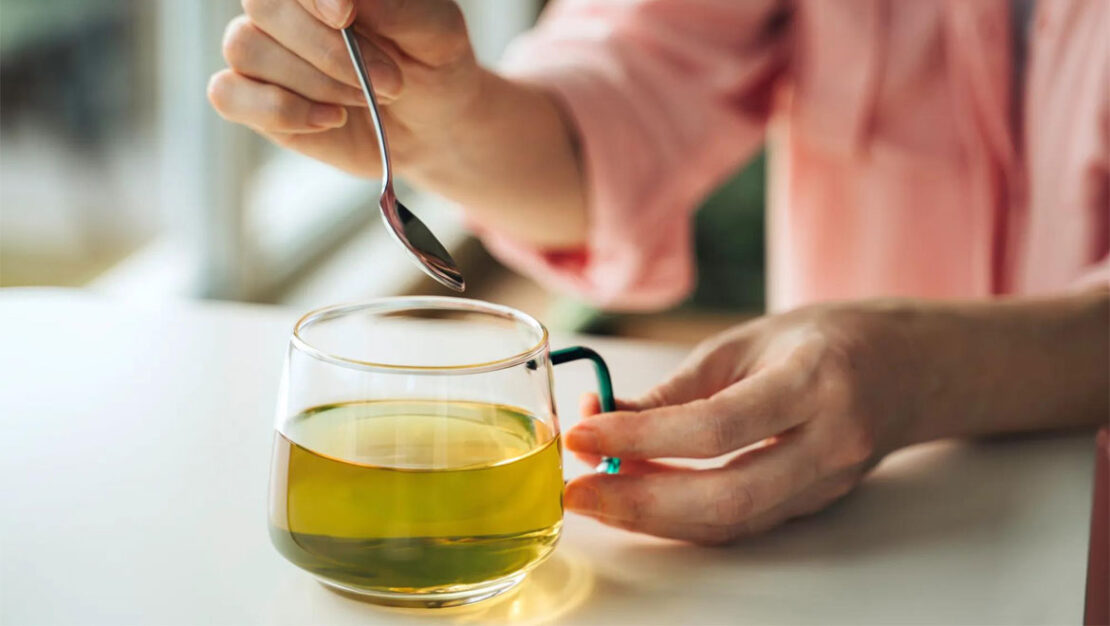
High blood pressure affects millions of people worldwide and increases the risk of heart disease and stroke. While a healthy diet and regular exercise are essential for managing hypertension, research shows that certain drinks may also help support healthier blood pressure levels.
Five Drinks That May Help Lower High Blood Pressure
High blood pressure, also known as hypertension, is one of the most common chronic health conditions affecting people around the world. It occurs when the force of blood pushing against the walls of the arteries remains consistently too high. Over time, this can damage blood vessels and significantly increase the risk of serious health problems, including heart disease, stroke, and kidney damage.
Managing high blood pressure often requires a combination of lifestyle changes, including maintaining a balanced diet, exercising regularly, reducing salt intake, and managing stress. However, researchers have also found that certain beverages may support cardiovascular health and help lower blood pressure levels.
Below are five drinks that scientific studies suggest may help manage hypertension.
1. Tea
Tea, particularly green tea and black tea, is rich in plant compounds known as polyphenols. Green tea contains catechins, while black tea contains compounds called theaflavins. These substances have antioxidant properties that may help protect blood vessels and improve overall cardiovascular health.
Research suggests that these antioxidants may support the relaxation of blood vessels, a process known as vasodilation, which can help reduce blood pressure. Green tea appears to have slightly stronger effects in this regard due to its higher concentration of certain beneficial compounds.
However, tea also contains caffeine, which may temporarily increase blood pressure in some individuals. For this reason, experts recommend moderate consumption and consulting a healthcare professional, especially for people who are sensitive to caffeine.
2. Pomegranate Juice
Pomegranate juice has gained attention in recent years for its powerful antioxidant properties. It is rich in polyphenols and flavonoids, compounds known to support heart health.
Several scientific studies have shown that regular consumption of pomegranate juice may help lower blood pressure. The juice appears to improve the function of blood vessels and reduce oxidative stress, which can contribute to hypertension.
Additionally, pomegranate juice may help reduce inflammation in the cardiovascular system, further supporting healthy blood circulation.
3. Black Grape Juice
Black grape juice is another beverage that contains a high concentration of polyphenols and other antioxidants. These compounds help protect blood vessels and may support improved blood flow.
Research indicates that black grape juice may contribute to lowering blood pressure, although its effects may be somewhat less pronounced compared to some other beverages. Nevertheless, it remains a beneficial option for individuals seeking natural ways to support heart health.
The antioxidants found in grapes are also associated with improved endothelial function, which refers to the ability of blood vessels to relax and contract properly.
4. Milk
Low-fat milk is a valuable source of calcium, potassium, and high-quality proteins, all of which play an important role in regulating blood pressure.
Numerous studies have linked the consumption of low-fat dairy products to modest reductions in blood pressure. Potassium helps balance sodium levels in the body, while calcium supports proper muscle function, including the muscles that control blood vessel contraction.
For individuals managing hypertension, choosing low-fat or fat-free dairy products may be a healthier option compared to full-fat alternatives.
5. Water
While the drinks listed above may offer specific benefits, water remains the most essential beverage for maintaining overall health and proper hydration.
Adequate hydration supports healthy circulation, helps regulate body temperature, and ensures that organs function efficiently. When the body is dehydrated, blood vessels may constrict, potentially contributing to increased blood pressure.
Drinking enough water throughout the day is one of the simplest ways to support cardiovascular health and maintain balanced blood pressure levels.
Simple Tips to Stay Properly Hydrated
Maintaining proper hydration does not have to be complicated. Experts suggest a few practical habits that can help people drink enough fluids each day:
Keep a water bottle with you throughout the day and refill it regularly.
Try not to let the bottle become completely empty before refilling it.
If plain water feels boring, add slices of fruit such as lemon, orange, or berries for natural flavor.
Include hydrating foods in your diet, such as fruits, vegetables, and smoothies.
Foods like watermelon, cucumbers, oranges, and strawberries contain high water content and contribute to daily hydration.
Lifestyle Changes Remain the Most Important Factor
Although certain beverages may support healthier blood pressure levels, experts emphasize that they should not replace medical treatment or healthy lifestyle habits.
Managing hypertension effectively typically involves:
Maintaining a balanced diet rich in fruits and vegetables
Reducing salt intake
Exercising regularly
Maintaining a healthy weight
Managing stress
Avoiding excessive alcohol consumption
For individuals already diagnosed with high blood pressure, it is important to follow medical advice and continue prescribed treatments.
High blood pressure is a serious condition that requires careful management. Alongside a healthy lifestyle, certain drinks such as tea, pomegranate juice, black grape juice, low-fat milk, and water may help support cardiovascular health and contribute to better blood pressure control.
While these beverages can be beneficial, they work best as part of a broader approach that includes balanced nutrition, regular physical activity, and medical guidance when necessary.
Staying hydrated and choosing drinks that support heart health may be a simple but effective step toward maintaining healthier blood pressure levels and overall well-being.
qfvnrodnnrknndtoifdjwluvtvgsdz