
5 Frozen Foods That Are Not Safe to Cook Directly
After a long day at work, frozen food often feels like the easiest dinner solution. You open the freezer, grab what’s available, and hope to save time by cooking it immediately. Freezing food is an excellent way to reduce waste, preserve nutrients, and save money. However, not all frozen foods are safe to cook straight from the freezer.
-
https://www.food.gov.uk/safety-hygiene/freezing-and-chilling-food
-
https://www.who.int/news-room/fact-sheets/detail/food-safety
Food safety experts warn that cooking certain foods without proper thawing can lead to uneven cooking, poor texture, and serious health risks. According to guidance from the Food Standards Agency, improper handling of frozen foods increases the risk of harmful bacteria surviving the cooking process. Knowing which foods must be thawed first can help you avoid mistakes in the kitchen and protect your health.
Below are five common frozen foods that should never be cooked directly without thawing properly.
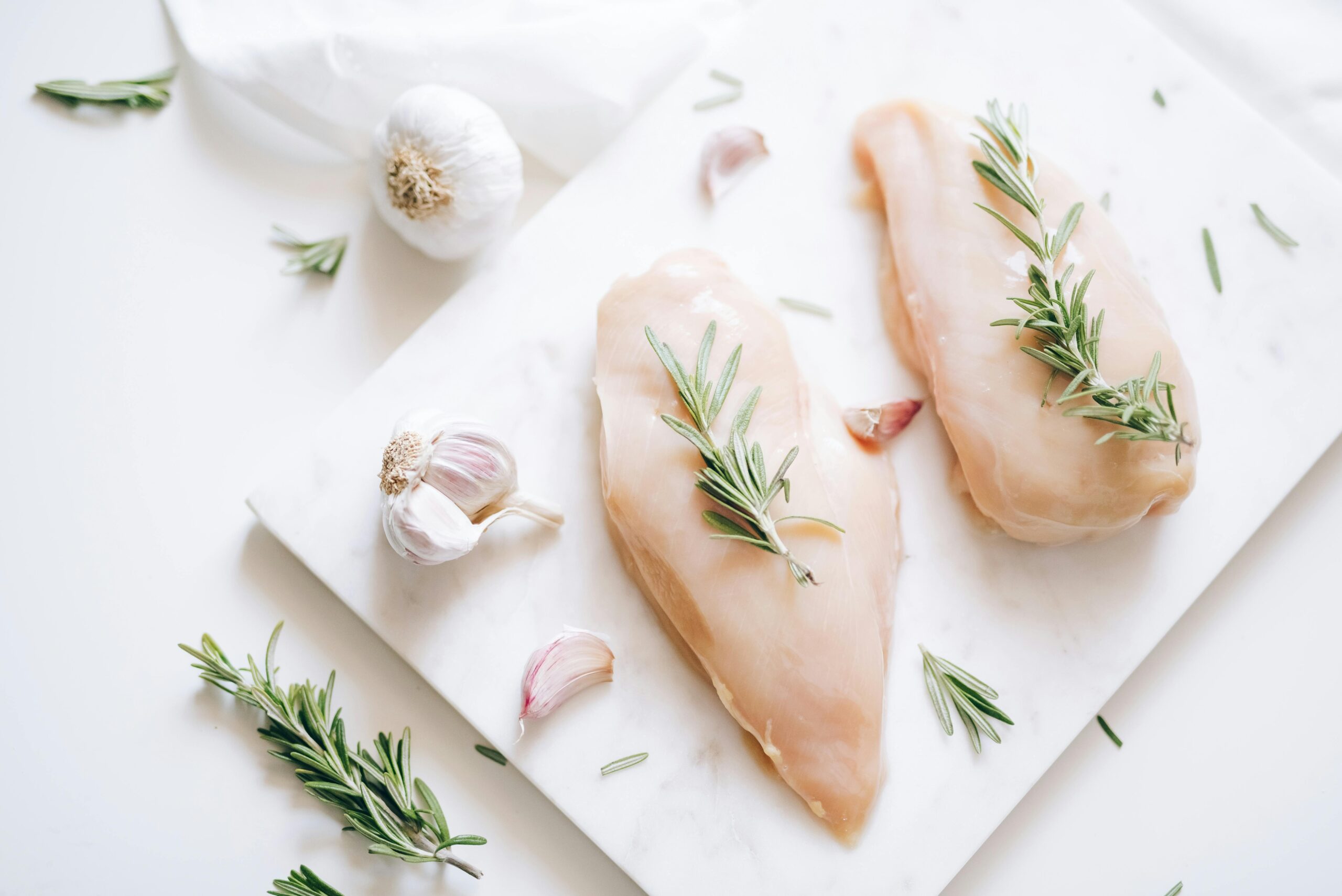
1. Raw Chicken
Raw chicken is one of the most dangerous foods to cook directly from frozen. While processed chicken products such as nuggets or pre-cooked burgers are designed for direct cooking, raw chicken is not.
When raw chicken is cooked from frozen, the outside may appear fully cooked while the inside remains undercooked. This creates ideal conditions for bacteria such as salmonella and campylobacter to survive. These bacteria are among the leading causes of food poisoning worldwide.
Another major mistake is thawing chicken at room temperature. This allows bacteria to multiply rapidly on the surface while the inside remains frozen. The safest method is thawing chicken slowly in the refrigerator, which can take 24 hours or more depending on size.
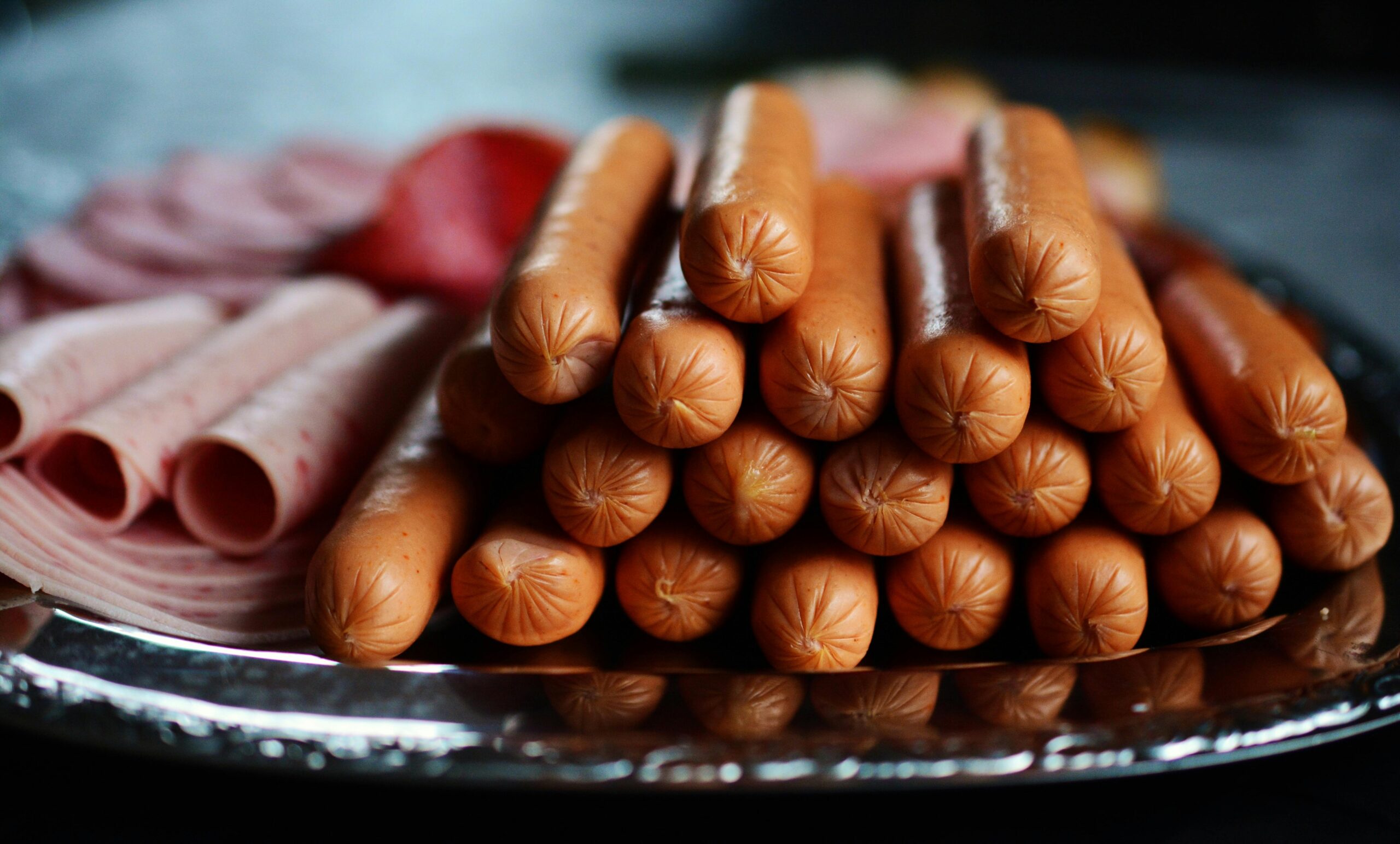
2. Sausages
Some commercially frozen sausages are labeled as safe to cook from frozen, but homemade or store-bought sausages frozen at home usually require thawing first.
Cooking sausages from frozen often leads to uneven results. The outer layer may brown quickly while the center remains cold or raw. This not only affects texture and flavor but also increases the risk of bacteria surviving in the middle.
If you are short on time, the microwave defrost setting can be used. Otherwise, thaw sausages overnight in the refrigerator. Always check that the center is fully thawed before cooking to ensure even heat distribution.
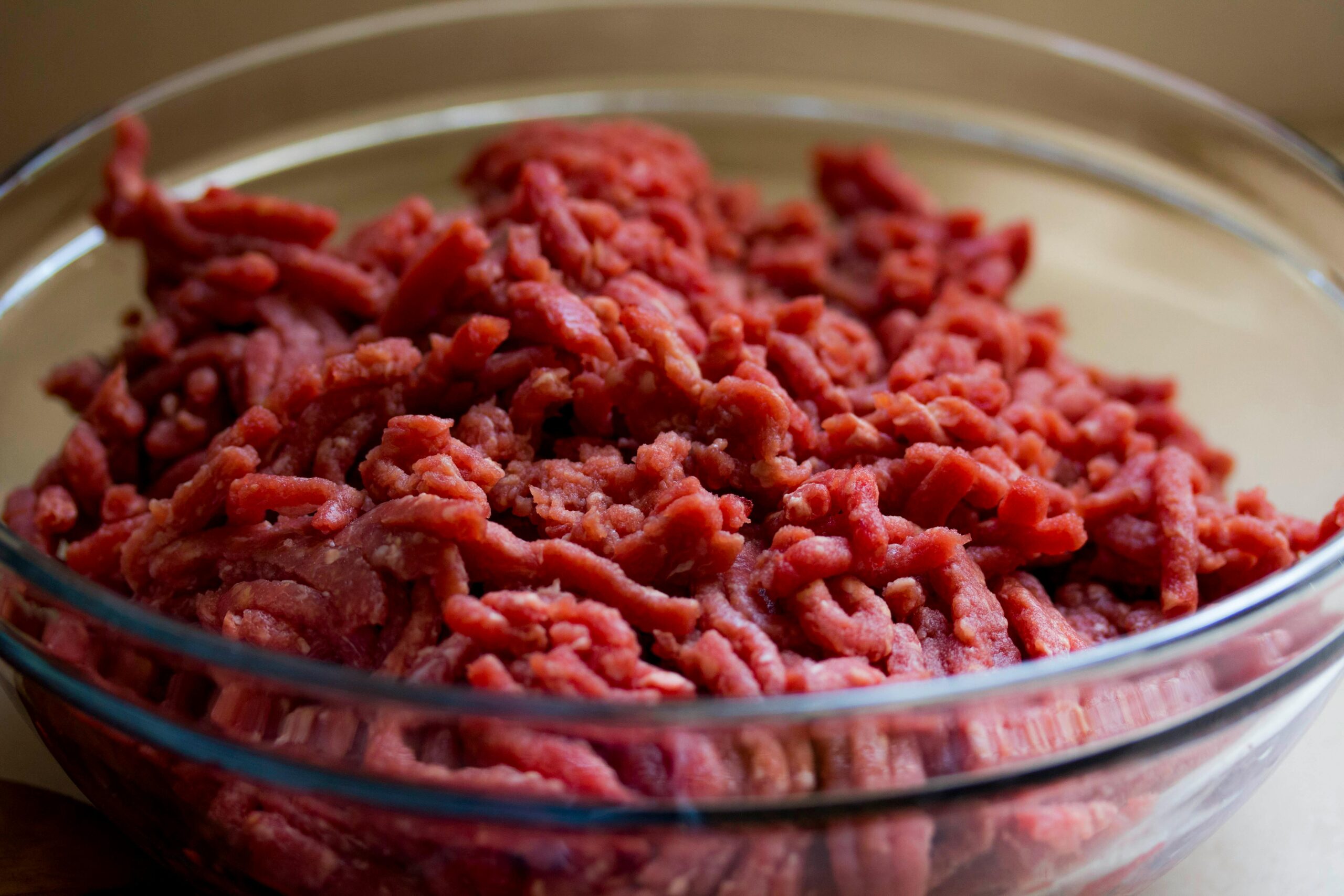
3. Ground Meat (Minced Meat)
Ground meat is widely used in dishes such as spaghetti Bolognese, lasagna, meatballs, and casseroles. Despite its convenience, it should never be cooked directly from frozen.
Frozen blocks of ground meat are dense. When cooked from frozen, the outside cooks faster than the inside, leaving raw sections trapped in the middle. This uneven cooking significantly increases the risk of foodborne illness.
Thawing ground meat in the refrigerator ensures even cooking and better texture. If needed, microwave defrosting is acceptable, but the meat should be cooked immediately afterward.
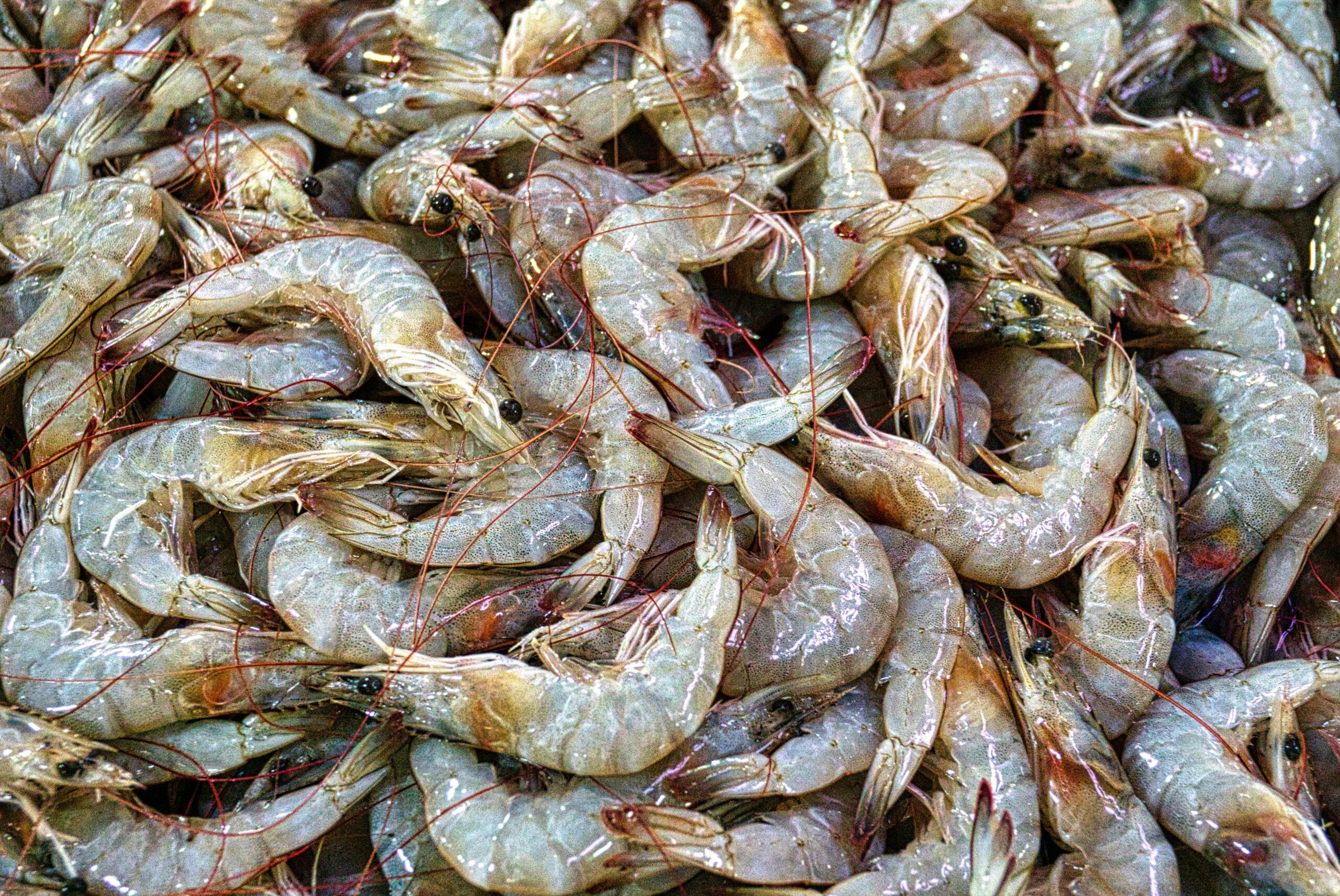
4. Shrimp and Shellfish
Some frozen seafood products are designed for direct cooking, but many types of shrimp and shellfish are not. Cooking them straight from frozen often leads to rubbery texture on the outside while the inside remains cold.
Uneven cooking not only affects taste but also food safety. Shellfish can carry harmful bacteria and viruses that must be fully eliminated through proper cooking.
For best results, thaw shrimp and shellfish in the refrigerator overnight. If time is limited, use the microwave defrost function carefully and cook immediately afterward.
5. Dairy-Based Frozen Foods
Certain frozen dairy products, such as creamy sauces or cheese-based meals, should not be cooked directly from frozen. Rapid heating can cause separation, uneven texture, and inconsistent temperatures.
More importantly, uneven heating may leave cold spots where bacteria can survive. Thawing dairy-based foods ensures even cooking and better quality.
Slow thawing in the refrigerator helps preserve both safety and flavor.
Why Cooking From Frozen Can Be Dangerous
Cooking frozen food may seem harmless, but frozen centers prevent heat from penetrating evenly. This allows bacteria to survive even when the outside appears fully cooked.
According to food safety experts and research published in the Food Standards Agency, proper thawing significantly reduces the risk of food poisoning. Safe food handling is just as important as proper cooking temperatures.
Safe Thawing Tips
Use microwave defrost only if cooking immediately.Never thaw food at room temperature.Plan meals ahead to allow proper thawing time
Frozen food is convenient, but safety should never be ignored. Raw chicken, sausages, ground meat, shellfish, and dairy-based frozen foods must be thawed properly before cooking. Cooking these foods directly from frozen can lead to uneven cooking, poor texture, and serious health risks.
By following expert advice and proper thawing methods, you can enjoy quick meals without compromising your health. A little planning goes a long way in keeping your kitchen safe.🔗:https://healthdailyy.com/